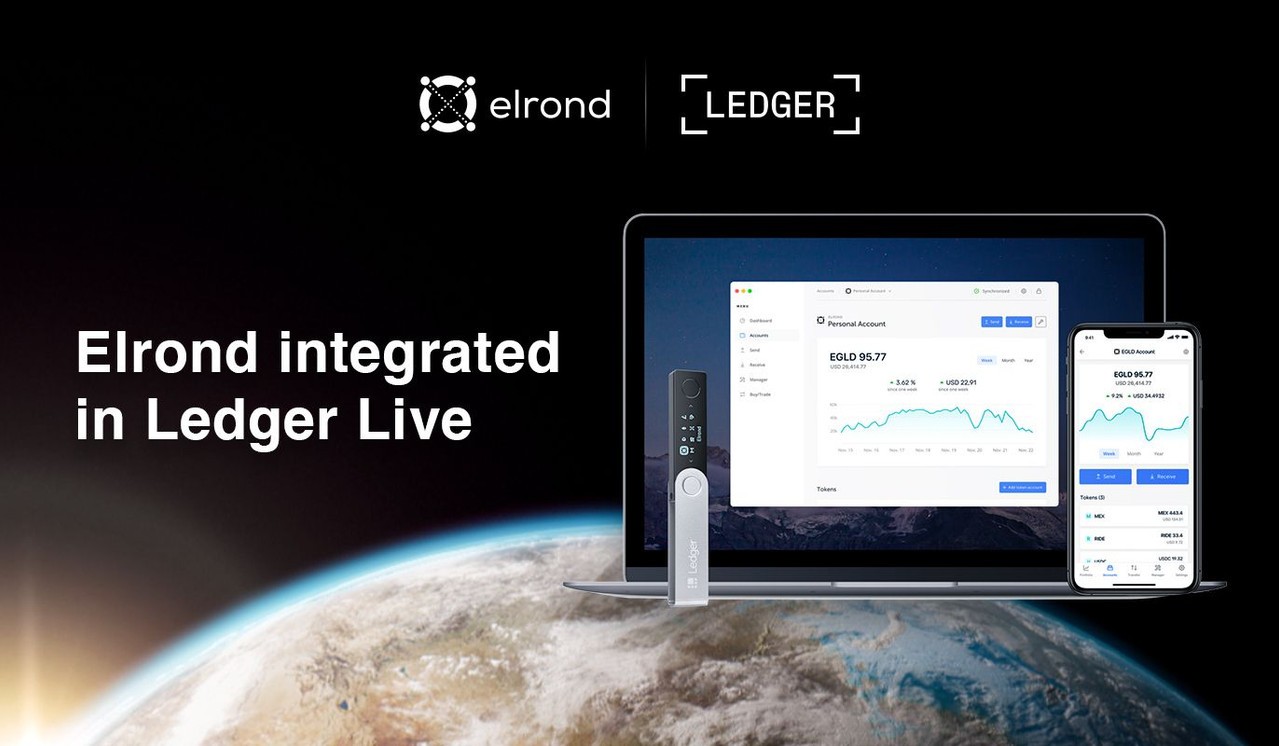
The Ledger login process is a crucial step for anyone using Ledger hardware wallets or the Ledger Live software to manage their cryptocurrency portfolio. Whether you are a beginner entering the crypto space for the first time or an experienced digital asset holder, understanding how Ledger authentication works is essential for keeping your assets safe. Ledger has built its reputation around top-tier hardware security, but the user also plays a vital role in ensuring smooth and safe access.
This comprehensive guide explains the Ledger login process, what prerequisites you need, how to troubleshoot common issues, and best practices to maintain the highest level of security.
What Is the Ledger Login Process?
Ledger login refers to the steps a user takes to access the Ledger ecosystem—primarily the Ledger Live application—using their Ledger hardware wallet. Unlike typical online accounts that use usernames and passwords, Ledger does not require you to create a web-based login. Instead, access takes place through secure device-based authentication.
When users connect their Ledger device (such as Nano S Plus, Nano X, or Ledger Stax) to Ledger Live, the hardware wallet itself serves as the authentication factor. This security mechanism ensures that only the physical holder of the device, along with the correct PIN, can manage crypto assets.
The login concept focuses on:
Connecting the hardware wallet
Entering the correct PIN
Unlocking Ledger Live
Authorizing transactions on the device screen
Ledger’s system eliminates centralized data storage and reduces the risk of account breaches, making the login process significantly more secure than traditional cloud-based platforms.
Prerequisites for Logging In
Before starting the login process, ensure you have the following:
1. A Ledger Hardware Wallet
You must own a genuine Ledger device purchased from an official or trusted reseller. Counterfeit devices can compromise your security.
2. Ledger Live Installed
Ledger Live is the official software interface used to manage your crypto assets. It is available on Windows, macOS, Linux, Android, and iOS.
3. USB Cable or Bluetooth
Depending on your device model, you may need:
USB connectivity (Nano S Plus or Nano X)
Bluetooth (Nano X only for mobile devices)
4. The Correct PIN
The PIN unlocks your hardware wallet. Without it, you cannot log in.
5. Recovery Phrase (For Backup Only)
Your 24-word recovery phrase is not used during login, but it is essential for restoring your device if needed. Never enter this phrase on any website or computer.
Step-by-Step Ledger Login Guide
Step 1: Connect Your Ledger Device
Start by connecting your hardware wallet to your computer or smartphone. If using a desktop device, use the official USB cable. For mobile, Bluetooth may connect automatically if previously linked.
Step 2: Unlock Your Device
Once connected, your Ledger device will ask you to enter your PIN. Use the device’s physical buttons to input the digits. If you enter the PIN incorrectly three times, the device resets to factory settings for security reasons.
Step 3: Open Ledger Live
Launch the Ledger Live application. The software will detect your device and verify its authenticity through a secure chip called a Secure Element.
Step 4: Navigate to the Dashboard
After successful authentication, Ledger Live displays your accounts, portfolios, and application settings. You’re now logged in and able to manage digital assets, install apps, or initiate transactions.
Step 5: Authorize Actions on the Device
For sensitive actions—like sending crypto—you must confirm transactions on the hardware wallet screen. The device ensures that no transaction occurs without physical confirmation, safeguarding you from malware or hackers.
Why Ledger Does Not Use a Traditional Login
A key point about Ledger is that it avoids common login vulnerabilities by not relying on email-password combinations or cloud servers. Instead, Ledger Live functions as an offline account interface. Your private keys never leave your hardware wallet, and Ledger never stores your credentials.
This means:
No email-based hacks
No centralized breach risks
No password phishing attempts (when users stay cautious)
The unique login model greatly enhances security, making Ledger a preferred choice among long-term crypto holders.
Common Ledger Login Issues and How to Fix Them
1. Ledger Device Not Recognized
Users sometimes face detection issues. Possible fixes include:
Updating Ledger Live to the latest version
Trying a different USB port or cable
Ensuring drivers are correctly installed
Restarting the device and computer
2. Wrong PIN Attempts
Entering the incorrect PIN three times triggers a device reset. After reset, you can recover the wallet using your recovery phrase.
3. Bluetooth Connection Fails (Nano X)
If connecting to mobile:
Ensure Bluetooth is enabled
Turn off and restart both device and phone
Forget and reconnect the Ledger device in settings
4. Ledger Live Freezes or Crashes
This can occur due to outdated software or system limitations. Updating Ledger Live typically resolves performance problems.
5. Security Notifications
If Ledger detects an authenticity issue or tampered hardware, it will display warnings. Disconnect immediately and contact support.
Security Tips for Ledger Login
Ledger login is highly secure by design, but users should follow best practices:
1. Never Share Your Recovery Phrase
This is the most important rule. No Ledger login requires your recovery phrase—not on Ledger Live, not on email, not on websites.
2. Use the Latest Ledger Live
Updates often include stability fixes and security enhancements.
3. Keep Your PIN Private
Memorize your PIN and avoid storing it digitally.
4. Always Confirm Actions on the Hardware Wallet
Even if malware compromises your computer, unauthorized transactions cannot occur unless you approve them on the device.
5. Purchase Ledger Devices from Trusted Sources
Counterfeit or tampered devices pose severe risks.
6. Beware of Phishing Websites
Ledger will never ask you to enter your recovery phrase online. Avoid websites mimicking official pages.
Ledger Login on Mobile vs. Desktop
Both platforms follow similar security principles, but mobile users—especially Nano X owners—can take advantage of Bluetooth connectivity.
Mobile Login Pros:
Convenience on the go
Quick access to balances
Biometric unlock for the app
Desktop Login Pros:
More stable connection
Easier portfolio management
Better compatibility for app installs
Users can choose based on personal preference and device compatibility.
The Future of Ledger Login: Enhanced User Experience
Ledger continuously works to improve user experience without compromising security. Future updates may include:
Streamlined login flows
Enhanced biometric integrations
More transparent security checks
Improved mobile connectivity
These enhancements aim to simplify access while maintaining strong cryptographic protection.
Final Thoughts
The Ledger login process may seem different from typical online account systems, but that is precisely what makes it so secure. By relying on a hardware wallet instead of remote servers, Ledger ensures that only users with physical access to their devices can manage their cryptocurrencies. Understanding how the login flow works, being aware of common issues, and following best security practices will help you enjoy a safe and seamless crypto management experience.